Working to advance the nuclear renaissance
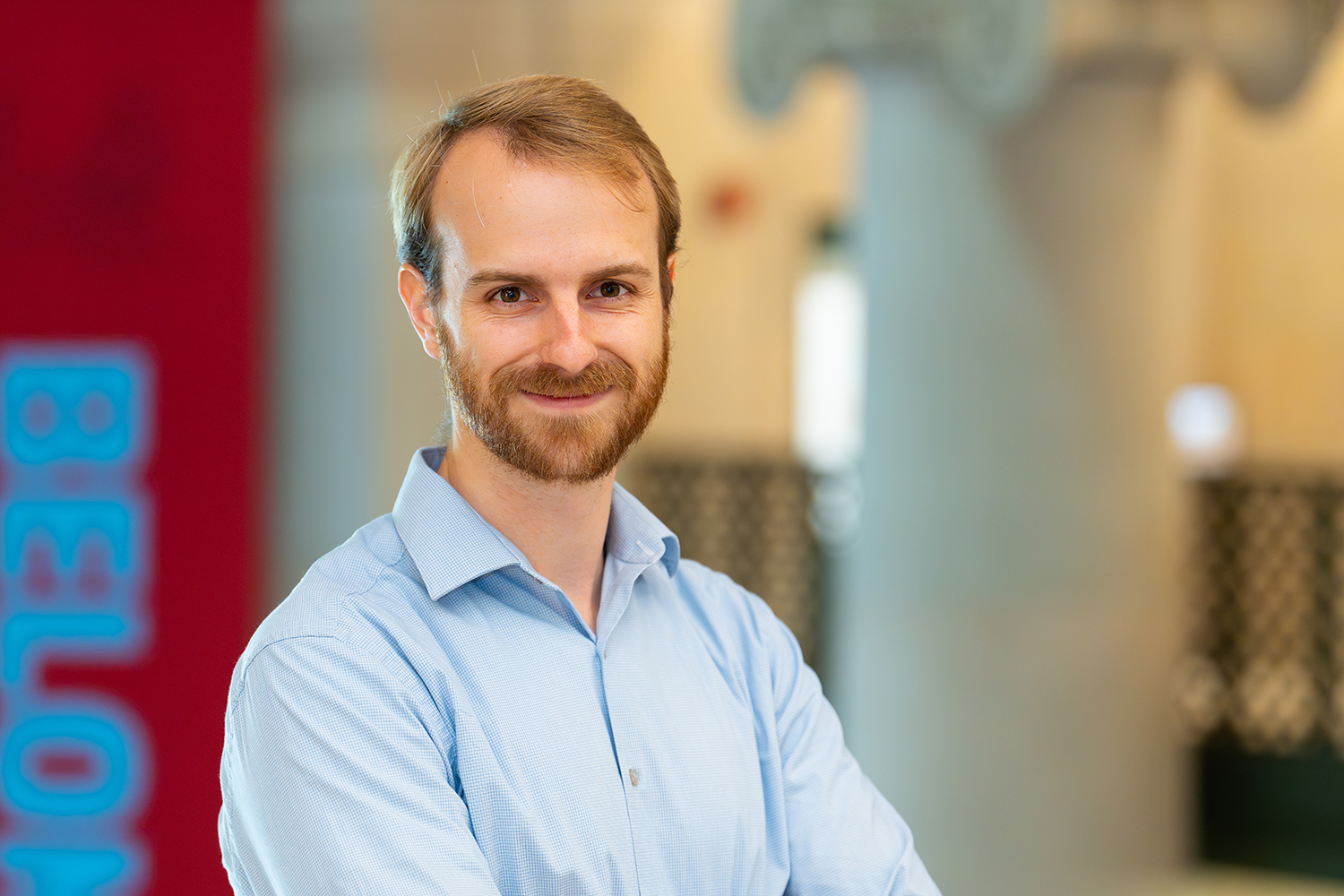
Dean Price, assistant professor in MIT's Department of Nuclear Science and Engineering, is at the forefront of a movement to revitalize nuclear power. With over 94 reactors supplying about 20% of electricity in the US, he believes there's much more potential, especially as alternatives to fossil fuels become increasingly important.
Pioneering Research and Innovations
Price has dedicated his career to developing safer, more efficient nuclear reactors. His work began in undergraduate research focusing on the safety of spent fuel storage, and evolved into multiphysics modeling—an approach that studies how different physical processes in a reactor core interact, particularly neutronics and thermal hydraulics. This method enables better predictions about reactor behavior and safety under varying conditions.
Advanced Reactor Designs
While multiphysics models are established for traditional large reactors, Price is targeting small modular and microreactors, which offer greater flexibility and potential for cheaper, safer power. However, the complexity of these models often demands supercomputers to solve challenging equations.
Artificial Intelligence as a Catalyst
To alleviate computational challenges, Price is integrating artificial intelligence and machine learning into reactor modeling. AI excels at identifying hidden patterns in data, making it possible to estimate key reactor variables without complex calculations. This approach could dramatically streamline both reactor design and operational decisions.
AI's role, Price emphasizes, is to supplement established safety protocols by providing insights and filling knowledge gaps, not to replace critical safety measures. With sufficient data, machine learning can clarify relationships between reactor processes, informing more intelligent design choices and operational strategies.
Shaping the Future and Mentoring Leaders
Price is not only advancing reactor technology, but also nurturing the next generation of nuclear engineers at MIT. He is committed to fostering a collaborative, supportive environment, inspired by the encouragement he received early in his own career. Through teaching and research, he hopes to share his excitement and shape future leaders in the field.
For more on Dean Price's vision for nuclear power and how AI can shape its future, read the original article.


