Sustaining diplomacy amid competition in US-China relations
Navigating Challenges and Opportunities in US-China Relations
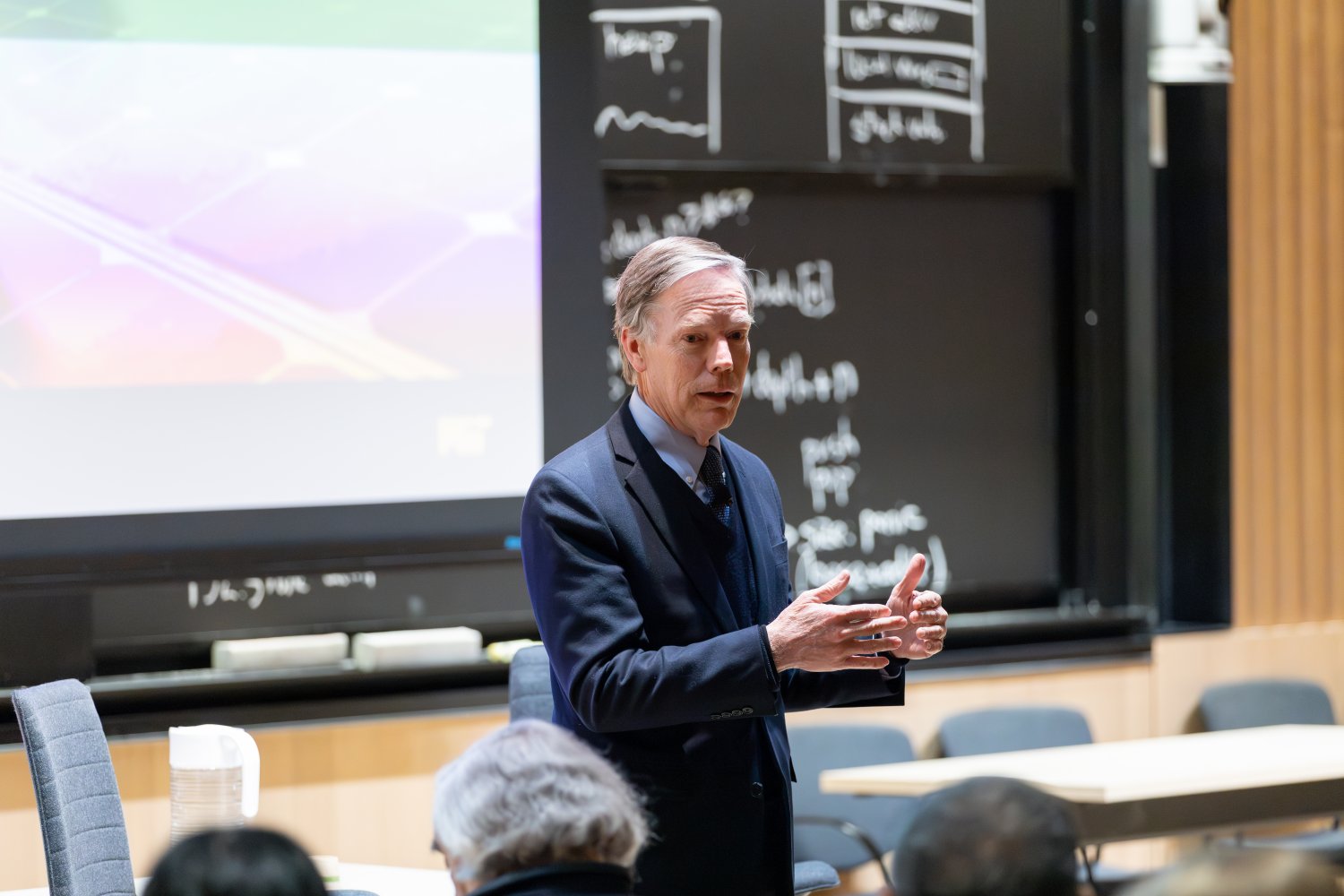
During a recent MIT seminar, Nicholas Burns, former U.S. ambassador to China and current Goodman Professor at Harvard Kennedy School, emphasized the critical impact that the United States and China have on global affairs. He noted that the two countries are the world's largest economies and carbon emitters, making their collaboration essential for addressing transnational issues like climate change.
Areas of Competition and Collaboration
Burns described the U.S.-China relationship as "competitive, tough, and adversarial," driven by rivalry in military strength, technology, trade, economics, and differences in values. In the economic arena, he pointed to recent trade wars and escalating tariffs, highlighting their potential to disrupt trade and affect industries critical for the energy transition. China’s dominance in rare earth elements, which are essential for green technologies, has prompted U.S. efforts to diversify supply chains.
Climate and Technology: Key Frontiers
Despite differences, Burns identified climate change as a crucial area where both nations share responsibility and could achieve significant progress through joint action. He called for increased diplomatic and technological cooperation to meet these global challenges.
In technology, Burns praised China's strong emphasis on STEM education, referencing the large proportion of Chinese students pursuing science and engineering compared to the U.S. With advances in artificial intelligence, quantum computing, and biotechnology, both countries are racing to innovate and adopt breakthroughs in these strategic fields.
The Path Forward
Burns stressed the importance of managing competition to avoid destructive conflict, advocating for continued dialogue and engagement. "We must learn to compete yet live in peace," he asserted, urging both sides to tackle shared threats and to recognize their interconnected futures.
This seminar was part of the MIT Energy Initiative's ongoing series that brings together leaders to discuss pressing energy and policy challenges. For more details and future events, visit the MIT Energy Initiative Events page.
For in-depth coverage, see the original article at MIT News.


