Seeing Sounds
Bringing Music to Life with Artificial Intelligence
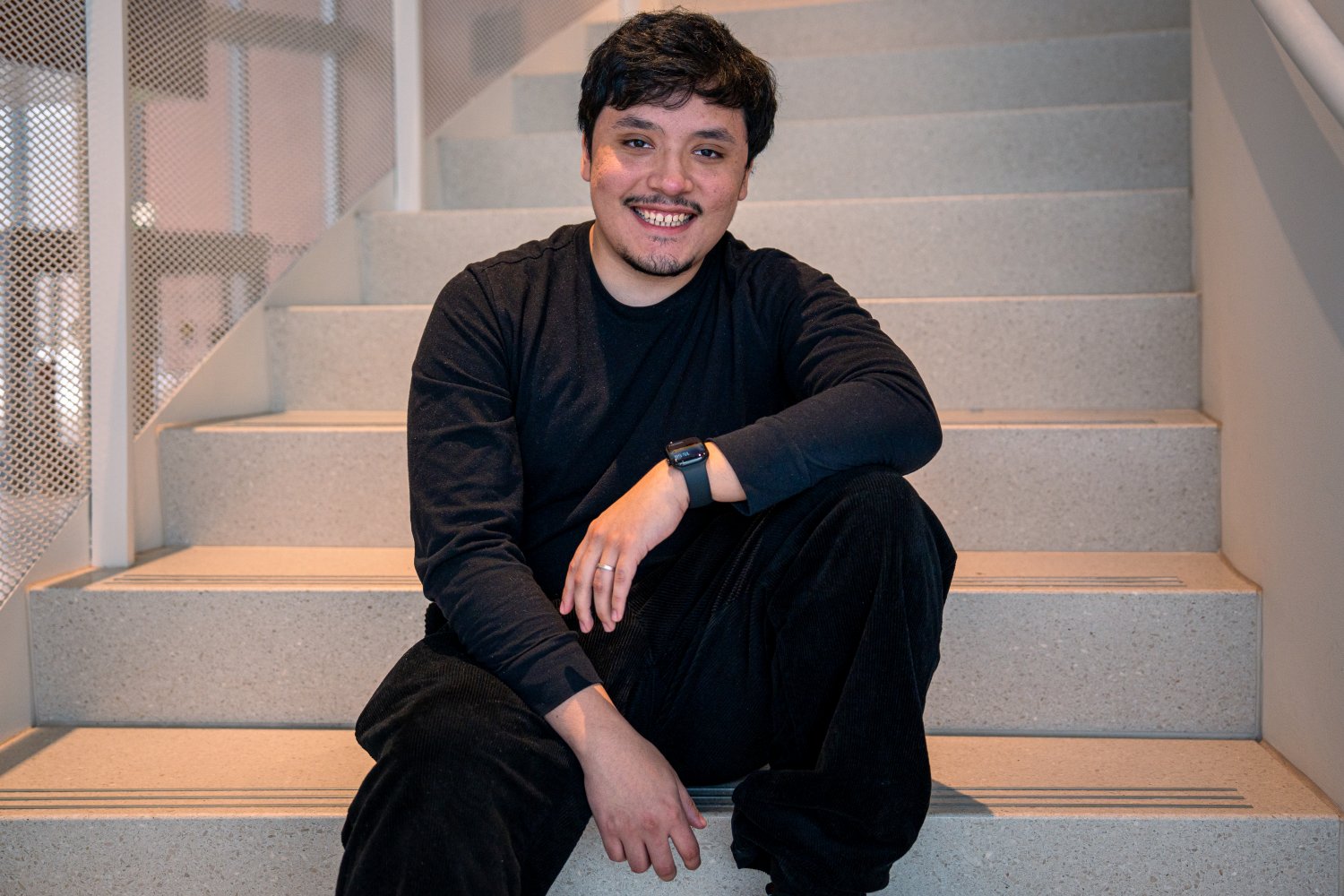
Mariano Salcedo, a master’s student in MIT’s new Music Technology and Computation Graduate Program, is developing advanced AI systems that turn musical audio into dynamic visual art. His work focuses on neural cellular automata (NCA)—a method that blends traditional cellular automata with machine learning. By connecting these systems to music, Salcedo is able to create living visuals that respond and adapt to sound in real time, offering a fresh, interactive way to experience audio.
From Mechanical Engineering to AI and Music
Originally from Mexico and Texas, Salcedo didn’t have early access to formal music education. After starting his studies in mechanical engineering, a transformative encounter with AI chatbots at MIT inspired him to change course toward artificial intelligence. Eventually, he found a way to reconnect with his passion for music through technology, learning to create soundscapes with digital tools and DJing at MIT events.
Innovative Research and Academic Support
Salcedo is among the first to join MIT’s cross-disciplinary graduate program, directed by Eran Egozy. The program encourages students to explore new ways of integrating computation and music, connecting them with industry professionals and experts. Salcedo’s NCA-based project allows users to control the interaction between sound energy and visuals through a user-friendly web interface, enhancing the musical experience for both creators and audiences.
His research has been recognized at international conferences, and he will deliver the student address at MIT’s 2026 Advanced Degree Ceremony.
Building Community and Looking Forward
Beyond his technical achievements, Salcedo values MIT’s supportive environment and the opportunities to collaborate with diverse peers. His journey—from exploring engineering to advancing AI and music visualization—reflects his commitment to using technology as a tool for creative expression and inclusivity.
For a deeper look at Mariano Salcedo’s work and MIT’s Music Technology and Computation Graduate Program, visit the original MIT News article.