Q&A: MIT SHASS and the Future of Education in the Age of AI
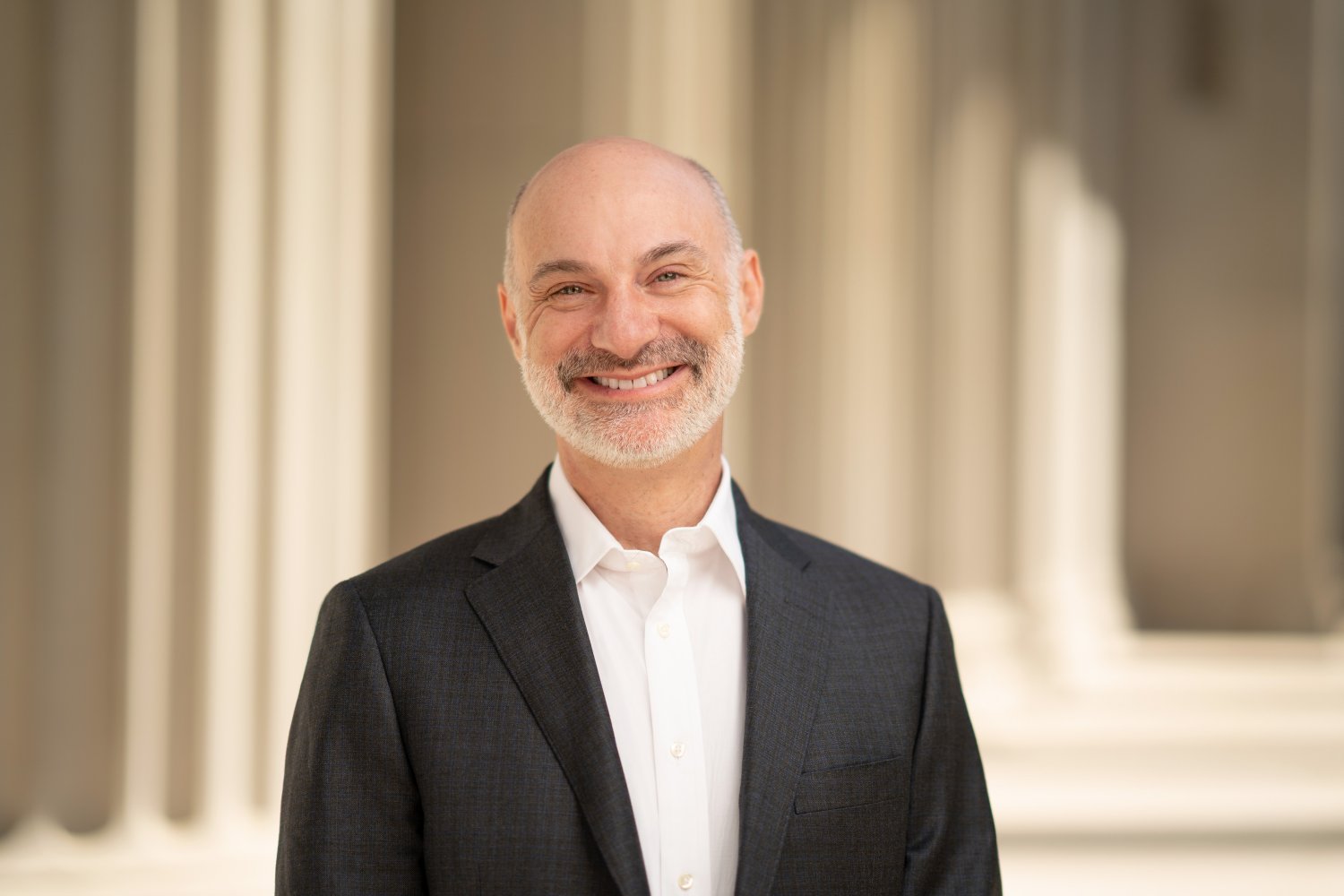
As the MIT School of Humanities, Arts, and Social Sciences (SHASS) commemorates its 75th anniversary, Dean Agustín Rayo discusses how artificial intelligence is driving deep changes in higher education and why humanities remain essential to MIT’s mission.
AI’s Impact on Universities
Unlike previous technological shifts, AI is reshaping every part of society — from job markets and financial stability to relationships and leisure. Dean Rayo explains that it’s not enough for universities to simply adjust curricula toward new tech: they must focus on offering education that provides lasting value for students. The goal is to nurture versatile, adaptive thinkers with strong judgment, communication, and leadership skills alongside technical expertise.
The Vital Role of Humanities, Arts, and Social Sciences
Humanistic disciplines are central to MIT’s educational approach. Every undergraduate must take at least eight courses in these areas. Subjects like philosophy, political science, economics, history, and music help foster critical thinking, ethical awareness, and a richer understanding of human society — qualities that cannot be replaced by technology. This learning equips students to interpret the world and make impactful decisions, in contrast to acquiring only technical skills.
“Engineering gives me the tools to measure the world; the humanities teach me how to interpret it.” — MIT Student
Integrating Humanities and Technology
Dean Rayo argues that maintaining strong humanities programs strengthens MIT’s technical leadership. With AI presenting ethical and social challenges like bias and accountability, understanding these dimensions helps develop better technology for society. Humanities are viewed not as a distraction from MIT’s core mission, but as crucial to ensuring its ongoing global impact.
SHASS Initiatives for the Future
SHASS is launching several initiatives to reinforce the connection between technology and human-centered disciplines:
- The MIT Human Insight Collaborative (MITHIC) to promote interdisciplinary research and collaboration.
- Integrating societal issues — including democracy, climate change, and technology ethics — into the undergraduate experience.
- Creating shared faculty positions with the MIT Schwarzman College of Computing and launching the new Music Technology and Computation Graduate Program with the School of Engineering.
- Developing new classes on computing and ethics in partnership with the Social and Ethical Responsibilities of Computing (SERC).
These efforts aim to elevate the humanities and provide opportunities for students and faculty to explore innovative forms of learning, research, and public engagement.
To read the original article and explore related links, visit MIT News.