MIT engineers design proteins by their motion, not just their shape
Revolutionizing Protein Engineering with AI
Proteins are essential molecular machines present in all living cells, carrying out vital functions through their ability to move, bend, and flex. Traditionally, the field of protein design has focused on determining or creating static shapes, but new research from MIT shifts the focus towards protein dynamics—their motion patterns.
Introducing VibeGen: Designing Proteins for Motion
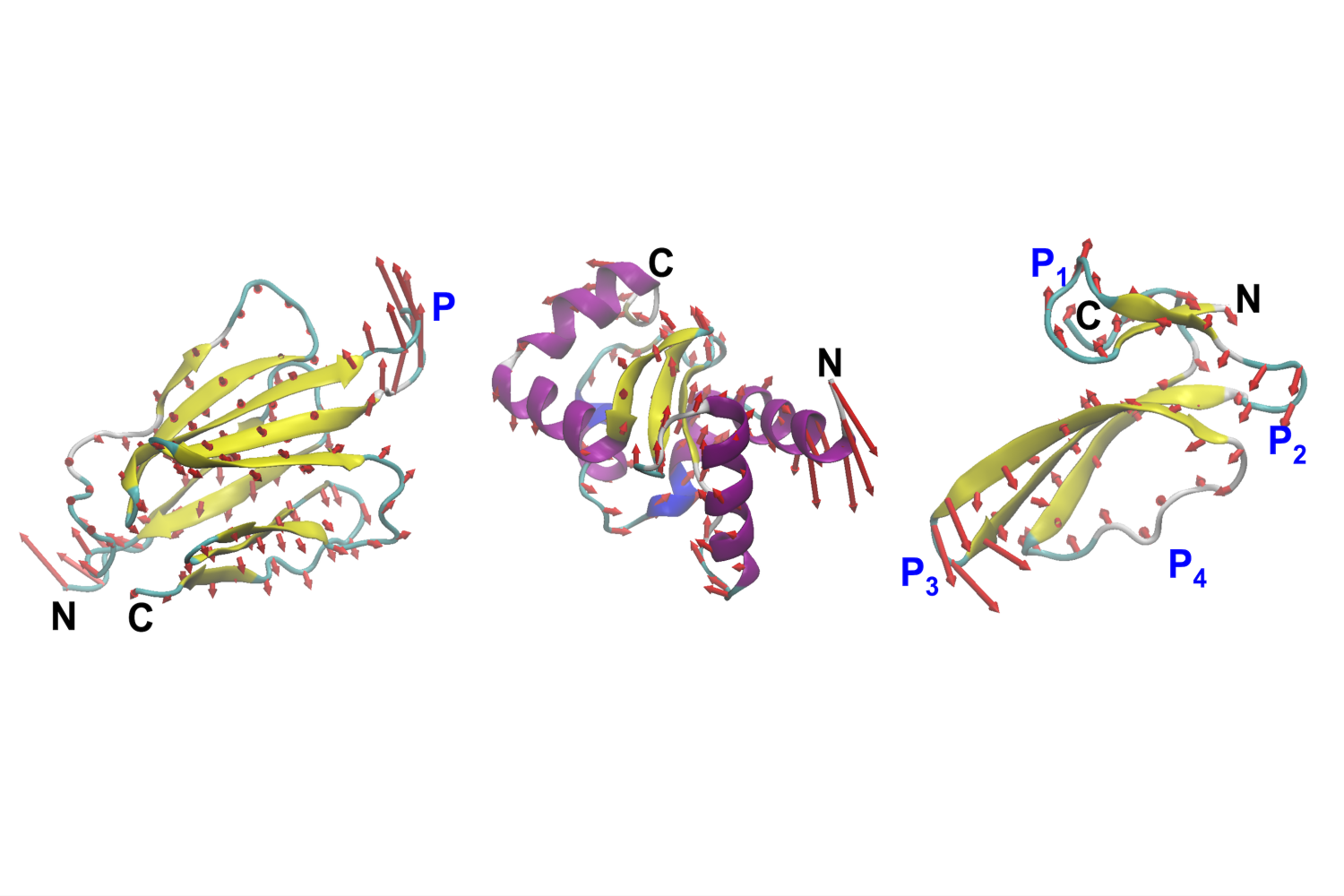
MIT engineers have developed an artificial intelligence tool named VibeGen, which allows scientists to custom-tailor proteins not just by their final structure but by how they move and change. Unlike previous AI approaches that tackled protein structure prediction, VibeGen lets researchers specify the desired vibrational and flexing behavior, and the AI creates valid protein sequences to match.
How VibeGen Works
VibeGen operates as a collaborative AI system featuring two agents: a "designer" that proposes protein sequences meant to display specific motions, and a "predictor" that tests whether the created sequence exhibits the intended dynamics. Through iterative feedback, the model refines the designs until the motion profile matches the target.
This approach has revealed that different protein sequences and structures can achieve the same mechanical function, suggesting a vast, unexplored design space beyond what evolution naturally selected.
Potential Applications
- Medicine: Proteins designed for precise motion could become more effective and selective therapeutics.
- Materials Science: Engineering proteins with particular mechanical properties could lead to innovative biodegradable materials, fibers, and impact-resistant substances.
- Adaptive Materials: Protein-based materials that respond dynamically to their environment or self-heal under stress.
A Glimpse into the Future
This new capability blurs the line between biological and engineered systems, treating proteins as programmable devices at the molecular level. The researchers plan to further improve VibeGen and eventually combine it with other AI design tools to produce multifunctional molecular machines.
For more details, read the original article by Stephanie Martinovich at MIT News.