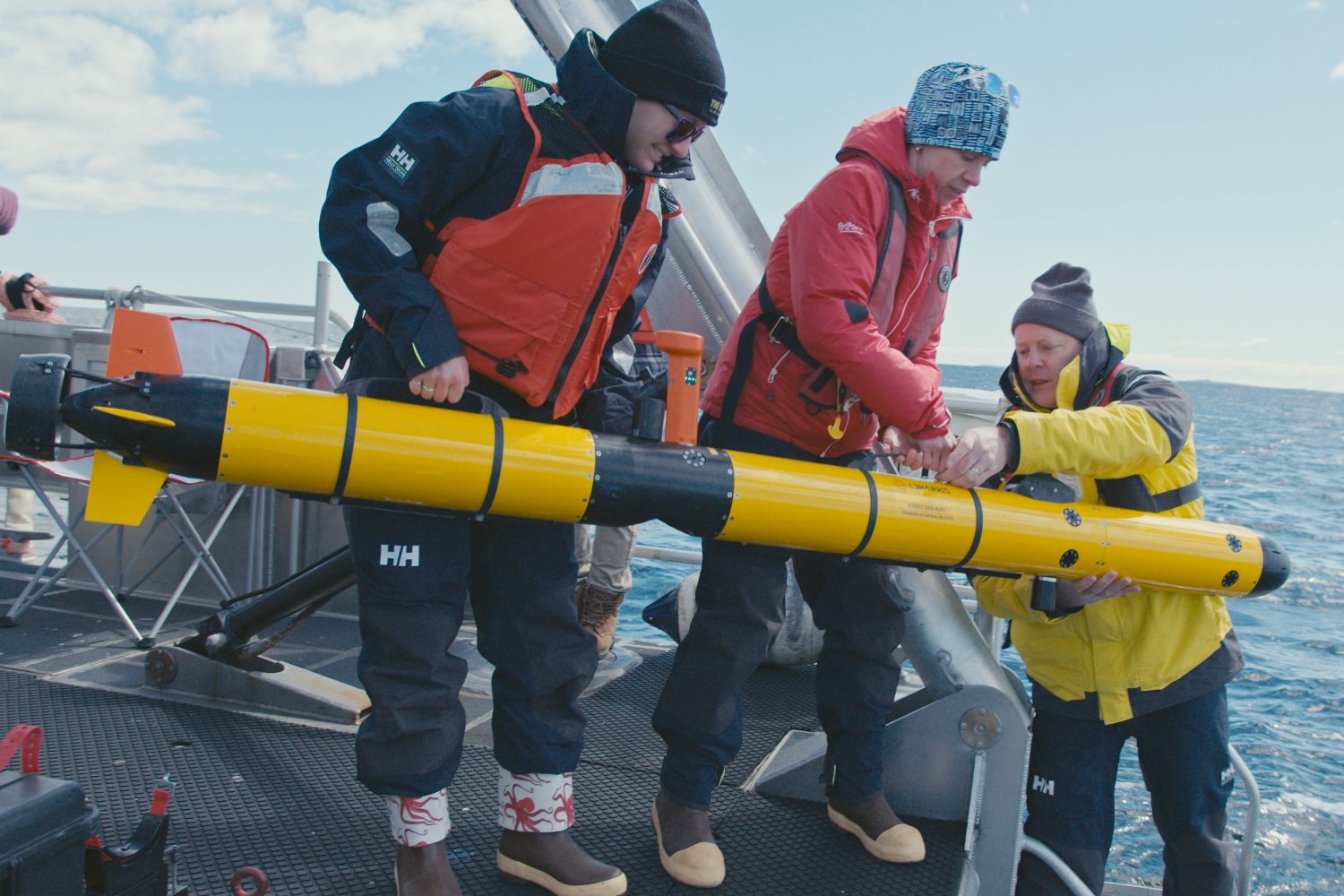
Human-machine teaming dives underwater
MIT Lincoln Laboratory is breaking new ground in underwater exploration by developing technology to enable effective collaboration between human divers and autonomous underwater vehicles (AUVs). This initiative focuses on supporting critical maritime tasks such as inspecting and repairing undersea infrastructure, search and rescue, harbor entry, and countermine operations for the U.S. military.
Combining Human Skills and Robotic Abilities
While divers excel at tasks requiring dexterity and object recognition, robots are better suited for complex calculations, navigation, and covering distances quickly underwater. The research team, led by Madeline Miller, is working to merge these strengths through advanced hardware and algorithms, particularly targeting challenges in underwater navigation and perception.
Tackling Navigation in Complex Environments
Underwater navigation is complicated by low visibility and lack of landmarks. Traditional tools like compasses and fin-kick counts only go so far. By integrating new sensor payloads — including optical and sonar devices, acoustic communication modems, and processing boards — onto AUVs, the team is boosting situational awareness for both divers and vehicles. They have tested these systems in various environments, from New England coasts to the Great Lakes, simulating real missions and working with both surrogate vessels and human divers.
Enhancing Object Detection with AI
The group is also building AI classifiers that process both sonar and optical data. When uncertain about the identity of an object, these algorithms can request input from divers, streamlining underwater search and identification with less communication bandwidth. Researchers are working to improve communication efficiency to cope with the slow data transfer rates underwater, focusing on sharing only essential information such as image summaries rather than raw data.
Towards Smarter Human-Robot Teams
Future efforts aim to further integrate diver and AUV teams for seamless cooperation. The project’s sensor suite and algorithms are designed for easy adoption with existing military and commercial underwater vehicles, increasing the chance for real-world impact.
Securing undersea cables and maintaining maritime infrastructure is increasingly vital amid growing threats and advances in global autonomous systems, making human-machine teaming essential for economic and strategic security.
For in-depth details, read the original article by Ariana Gaines at MIT News: Human-machine teaming dives underwater.


