How Joseph Paradiso’s Sensing Innovations Bridge the Arts, Medicine, and Ecology
Joseph Paradiso, currently the Alexander W. Dreyfoos Professor and head of the Program in Media Arts and Sciences at MIT, exemplifies cross-disciplinary innovation. With a background in experimental high-energy physics and a creative upbringing surrounded by both artists and scientists, Paradiso has shaped technologies that span from music and dance to medicine and ecology.
Blending Science, Art, and Technology
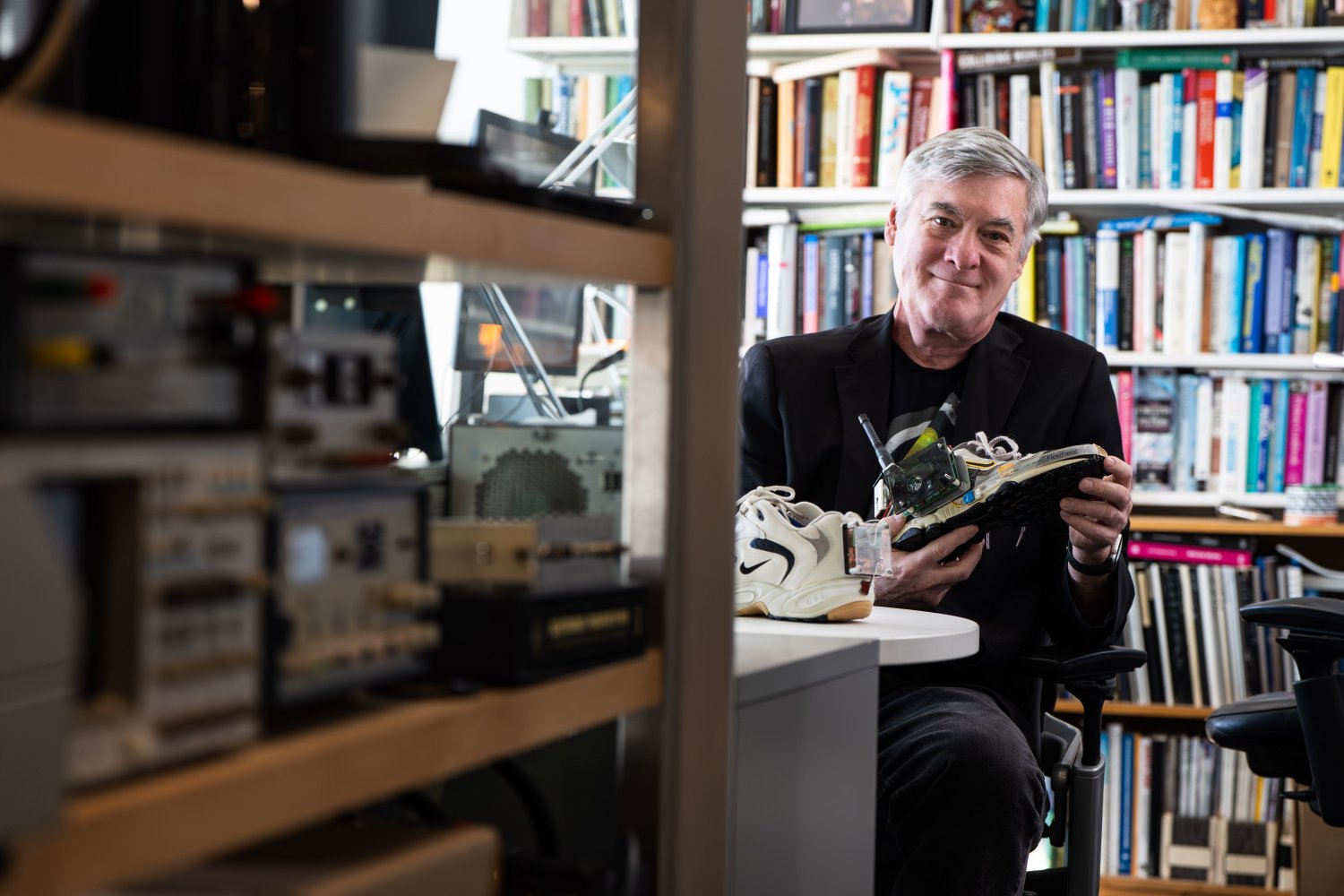
Paradiso’s early career featured advancements in wireless wearable sensing. In the 1990s, he developed sensor-laden footwear that could turn dancers' movements into real-time musical performances—some of the first systems to bring body motion and digital interactivity together. These innovations foreshadowed today’s fitness trackers and smartwatches, making real-time body data accessible to the public.
Transforming Healthcare
Expanding beyond performance art, Paradiso adapted his wearable sensor platforms for sports medicine. In partnership with clinical experts, he engineered systems that collect detailed motion data to help assess injury risk, enhance recovery, and monitor performance—all without bulky lab equipment.
Exploring the Natural World
Recently, Paradiso’s research group has contributed to environmental and ecological studies. Collaborating with organizations like National Geographic, his team has deployed advanced, low-power sensors to monitor animals in the wild and gather acoustic data on endangered species such as honeybees. These technologies offer valuable insights into animal behavior and environmental changes around the globe.
Recognition and Lasting Impact
Paradiso’s distinguished achievements in wearable sensing and energy harvesting have earned him recognition as an IEEE Fellow. His work not only inaugurated new directions in digital technology but also continues to inspire questions about human connection, perception, and our relationship to the world through technology.
For more detailed insights, read the original article at MIT News.