Generative AI Improves a Wireless Vision System That Sees Through Obstructions
Revolutionizing Hidden Object Detection
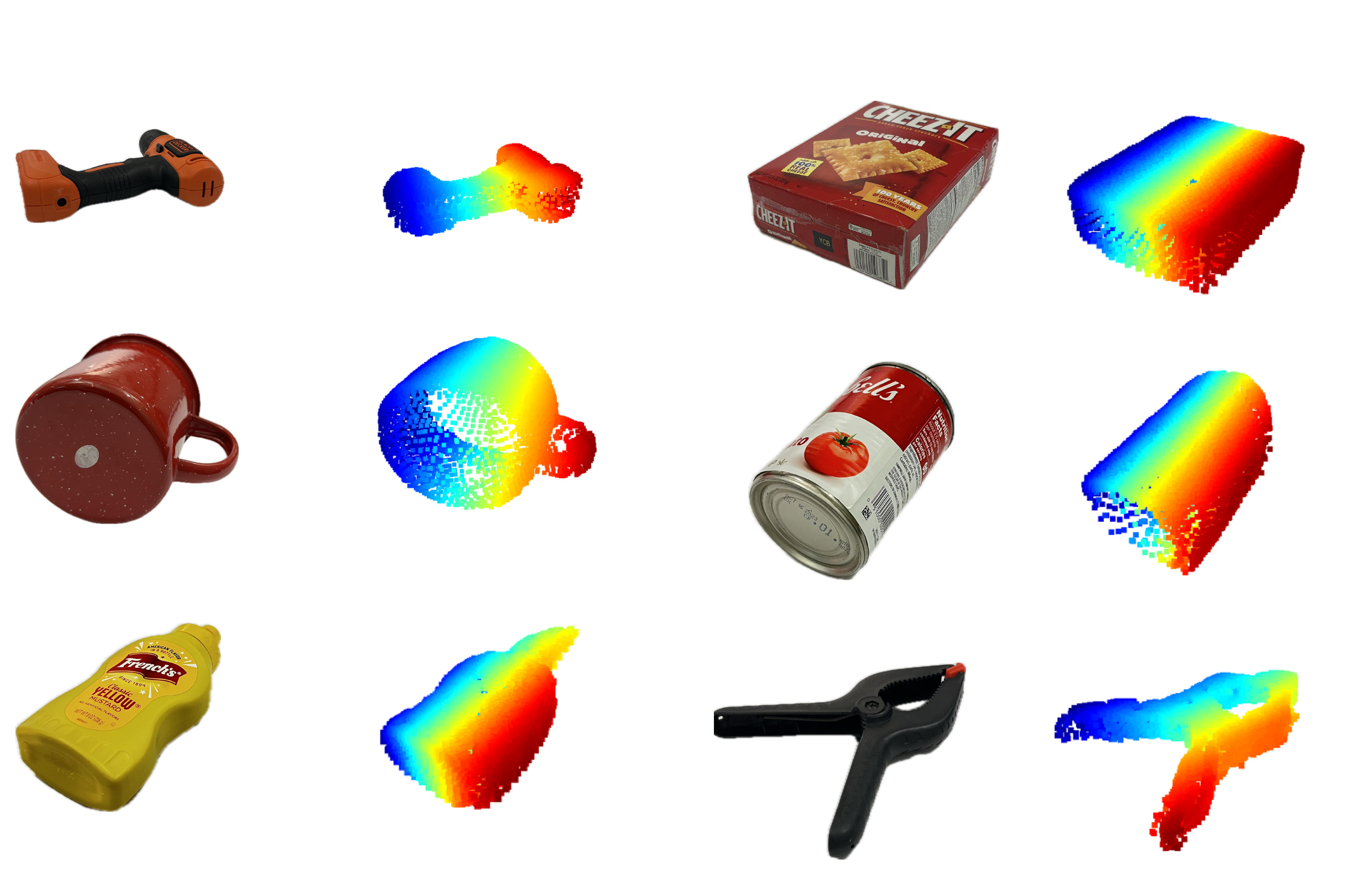
Researchers at MIT have developed a cutting-edge technique that uses generative AI to enhance wireless vision systems, allowing robots to more precisely identify objects hidden from direct sight. By harnessing reflected Wi-Fi signals, the method reconstructs not just the visible parts but also completes the unspecified areas of 3D objects with the help of specially trained AI models.
How the System Works
Traditionally, surface-penetrating wireless signals like millimeter waves (mmWave) could detect hidden items, but they struggled to provide full reconstructions due to signal limitations. The new approach, called Wave-Former, uses generative AI to fill in gaps from partial wireless signal reconstructions, resulting in much more accurate 3D models.
- Wave-Former proposes possible surfaces from mmWave reflections.
- The AI model completes the shape based on simulated data representing mmWave properties.
- Surfaces are refined for a near-complete reconstruction.
Expanding to Entire Rooms
The team also created RISE, a system that reconstructs whole indoor scenes by analyzing mmWave reflections generated by humans moving around. These reflections, usually seen as "ghost signals," are leveraged to map out room layouts accurately while ensuring personal privacy.
Potential Applications
- Warehouse robots can verify packed goods before shipping, reducing returns and waste.
- Smart home devices can better locate people, improving safety and interaction.
Unlike traditional camera-based systems, this technology does not capture personal imagery, making it a privacy-conscious solution.
Future Directions
MIT researchers aim to further refine the accuracy and detail of their wireless reconstructions and eventually develop foundational models for wireless signals, much like large language and vision models in AI today.
For more information, read the original article by Adam Zewe at MIT News.


