Bringing AI-driven protein-design tools to biologists everywhere

B
Baseinsider Team
Author
Articles
Apr 18, 2026
2 min read
114 views
Bringing AI-driven protein-design tools to biologists everywhere
OpenProtein.AI, co-founded by MIT alumni, is revolutionizing protein engineering by providing biologists with accessible AI-powered tools that do not require coding expertise. Their platform enables researchers to design and analyze proteins efficiently, accelerating advancements in drug development and biotechnology.

Bringing AI-driven protein-design tools to biologists everywhere

Making Advanced Protein Engineering Accessible

OpenProtein.AI, founded by Tristan Bepler and former MIT professor Tim Lu, is bridging the gap between cutting-edge artificial intelligence and biological research. Their platform offers a no-code, user-friendly interface, equipping biologists with powerful AI models for protein design and analysis without requiring machine-learning expertise.

Key Features of OpenProtein.AI

  • Intuitive web interface for uploading data and conducting protein engineering tasks
  • A suite of open-source, AI-based models for protein design, structure prediction, and function analysis
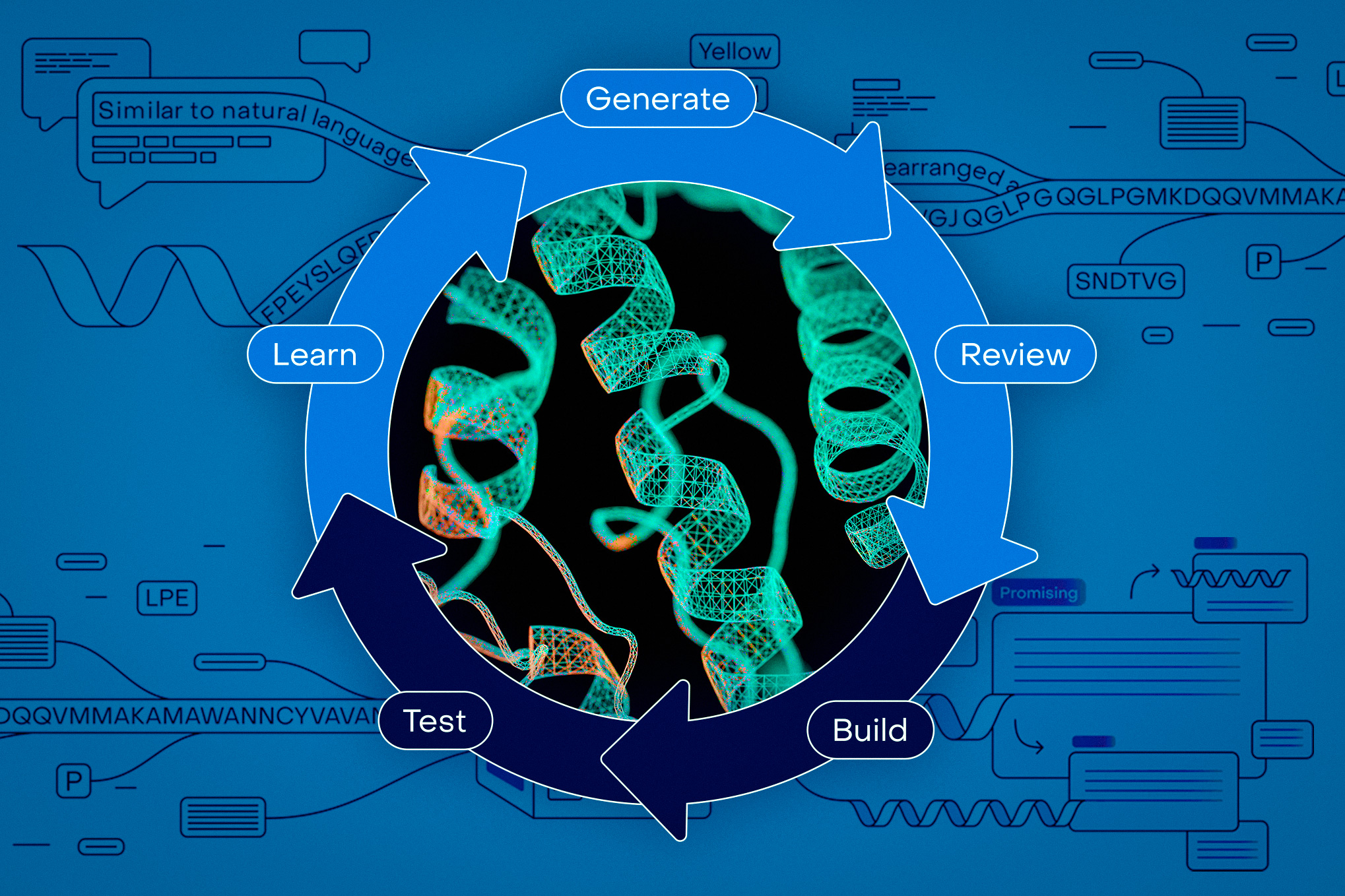
  • PoET (Protein Evolutionary Transformer) language model, enabling researchers to generate and optimize protein sequences
  • Customizable tools and APIs for advanced users
  • Free academic access, supporting innovation across the scientific community

Accelerating Research and Drug Development

By harnessing the capabilities of AI, OpenProtein.AI shortens development cycles for new therapeutics and enables the engineering of proteins with specific traits. Pharmaceutical leaders like Boehringer Ingelheim are already integrating OpenProtein's platform into their research pipelines to advance treatments for diseases such as cancer and autoimmune disorders.

The Future of AI and Biological Engineering

The founders are committed to expanding the platform, focusing on models that consider the dynamic and interconnected functions of proteins. Their mission emphasizes open access, ensuring that researchers everywhere can leverage AI-driven tools to accelerate discoveries in biology and medicine.

For more on this story, read the original article by Zach Winn at MIT News.

Related Articles

AI Overviews are coming to your Gmail at work

AI Overviews are coming to your Gmail at work

Google is rolling out AI Overviews to Gmail for business users, allowing them to quickly get summarized answers from their email content using natural language queries. This update is available to customers using Gemini for Workspace, providing concise responses across multiple Gmail conversations.

Apr 23, 2026 2 min read
Helping data centers deliver higher performance with less hardware

Helping data centers deliver higher performance with less hardware

MIT researchers have created Sandook, an advanced system that intelligently manages SSD workload variability within data centers. By dynamically allocating tasks based on device conditions, Sandook nearly doubles SSD performance and prolongs hardware lifespan, all without extra hardware. This breakthrough can help data centers achieve higher efficiency and reduce costs with existing resources.

Apr 11, 2026 2 min read
Gen Z Is Pioneering a New Understanding of Truth

Gen Z Is Pioneering a New Understanding of Truth

Generation Z is building a new approach to truth, shaped by growing up in a world dominated by social media and algorithm-driven content. Instead of relying on traditional authorities or institutions, Gen Z navigates reality through collective emotional response, peer networks, and digital collaboration. Their understanding of truth is fluid, blending facts and feelings in real-time discussions.

May 18, 2026 3 min read