3 Questions: On the Future of AI and the Mathematical and Physical Sciences
MIT Professor Jesse Thaler shares his vision for a collaborative future between artificial intelligence (AI) and the mathematical and physical sciences (MPS). He highlights the growing synergy between these fields and sees the relationship as a two-way bridge where both AI and science drive each other's advancement.
The Role of AI and Science Together
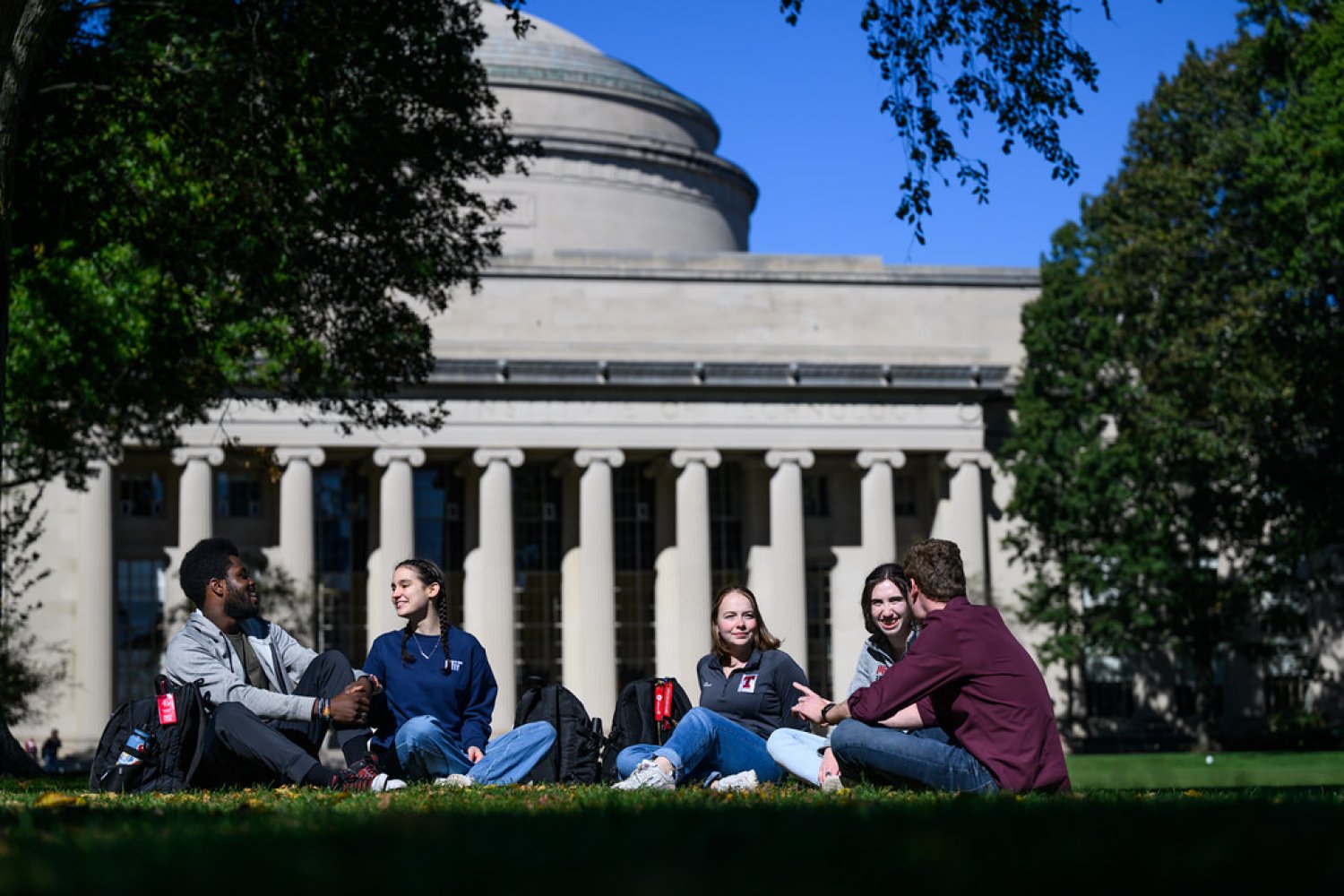
Thaler points out that breakthroughs in AI have often been fueled by challenges and insights from physics, chemistry, mathematics, and other sciences. Recent Nobel prizes have even recognized the deep links between AI and the physical sciences. The AI+MPS Workshop, held at MIT, brought together experts from diverse fields to strategize how these disciplines can mutually benefit.
Key Insights From the Workshop
The workshop's main takeaway was the importance of a balanced, two-way relationship: scientists can use AI to unlock new discoveries, while scientific principles help make AI smarter and more robust. Thaler describes this as the “science of AI,” which includes:
- Using scientific reasoning to improve AI
- Tackling scientific problems that cultivate new AI methods
- Applying scientific tools to understand AI systems better
The demand for "centaur scientists"—individuals skilled across disciplines—was repeatedly emphasized. Supporting interdisciplinary training programs, integrated academic paths, and joint faculty hires can foster this new generation of experts.
MIT’s Approach and Future Steps
MIT is already laying the groundwork for this interdisciplinary future. Initiatives like IAIFI, A3D3, and the MIT Generative AI Impact Consortium encourage collaboration between AI and scientific research. Educational efforts, such as interdisciplinary PhD tracks and specialized fellowships, equip students for roles at this intersection.
Going forward, MIT aims to coordinate strategies across hiring, training, and research efforts, making deliberate investments in structural changes—like more joint faculty positions and targeted funding—to maintain its leadership in this crucial area.
Looking Ahead
Thaler concludes that institutions that embrace systemic, long-term strategies for connecting AI and science will lead future breakthroughs. MIT is taking steps to ensure it remains a driver of progress by supporting community-building events and fostering cross-disciplinary talent.
Original article: 3 Questions: On the future of AI and the mathematical and physical sciences by the Laboratory for Nuclear Science.