3 Questions: Building Predictive Models to Characterize Tumor Progression
Unraveling Tumor Evolution with AI and Computation
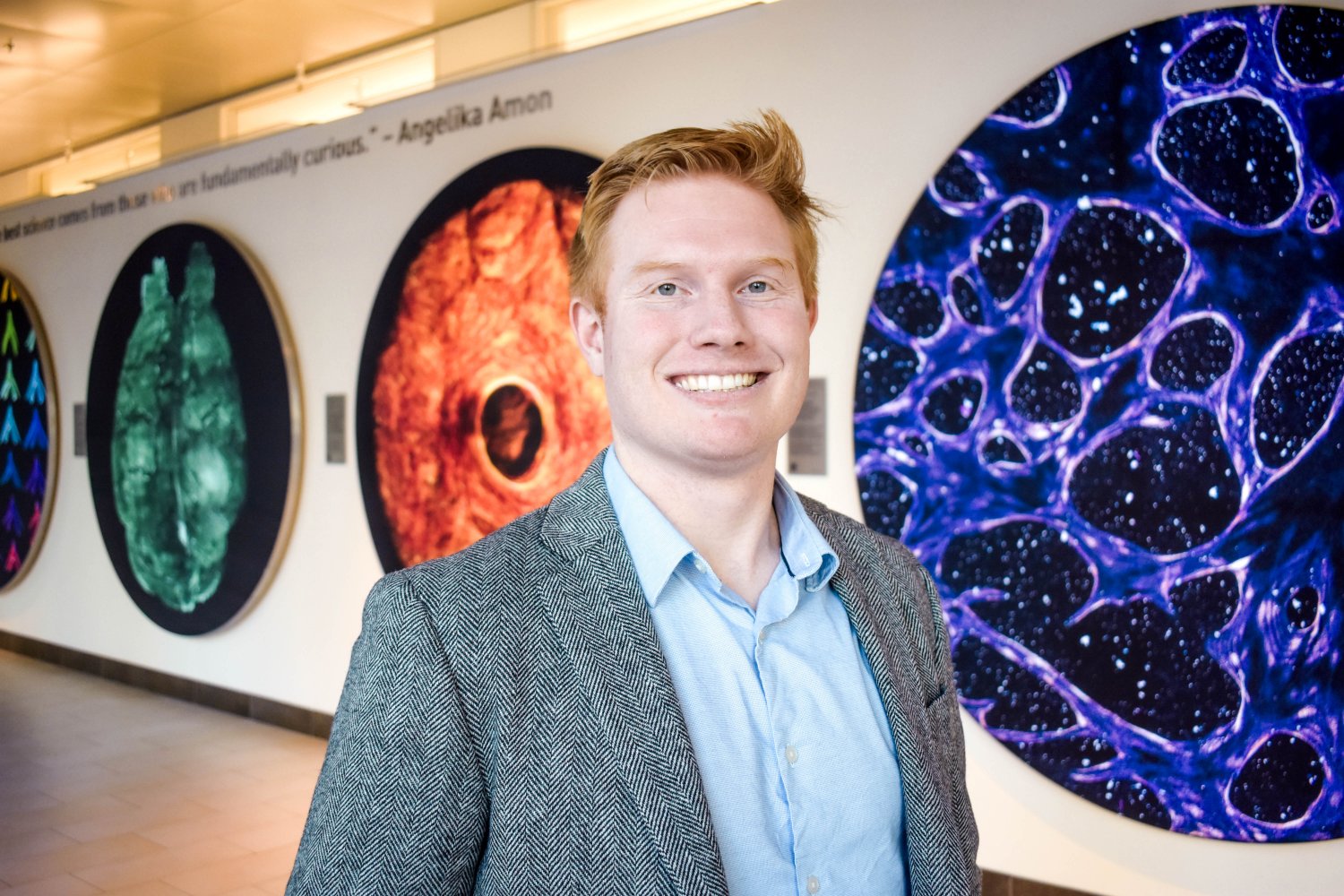
Assistant Professor Matthew Jones from MIT is pioneering research into how cancer cells adapt and progress. By integrating machine learning and advanced experimental technologies, his lab seeks to predict when and how tumors develop resistance to therapies, aiming to improve patient outcomes and bring new insights to cancer biology.
Exploring Tumor Progression
Jones focuses on the genetic, epigenetic, and microenvironmental factors that drive tumor evolution. His research centers on extrachromosomal DNA (ecDNA) amplification—circular DNA fragments that exist outside chromosomes and can rapidly change in number within aggressive tumors. Although ecDNA was once considered rare, modern sequencing has revealed its prevalence in around 25% of cancers, especially in hard-to-treat types like brain, lung, and ovarian cancers. Jones’s team examines how these ecDNA amplifications give tumors a remarkable ability to adapt and evade treatments.
Machine Learning in Tumor Evolution
By combining patient data with single-cell lineage tracing, Jones’s lab is able to track cellular histories within tumors and pinpoint when aggressive mutations arise. These computational models enhance researchers’ understanding of the dynamic nature of cancer and open new paths for targeting drug resistance and finding therapies tailored to individual patient responses.
Why MIT?
Jones values MIT’s unique blend of engineering and life sciences, as well as its culture of collaboration. The physical setup at the Koch Institute enables close interaction between computational and experimental labs, fostering innovative problem-solving. Jones is committed to training future scientists who are comfortable navigating both data science and biology.
For more details, visit the original article at MIT News: 3 Questions – Building predictive models to characterize tumor progression.